People
The lab.
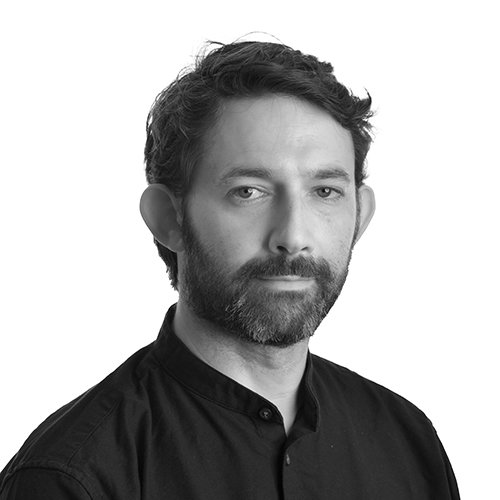
Dr. Eliyahu Keller
Director · Principal Investigator
The future is the oldest thing we make.
A laboratory for the history of the future — the study of how the worlds to come have been imagined, drawn, filmed, modeled, and built, and how those anticipations shape the present. Directed by Dr. Eliyahu Keller.
Every future is rendered in the type that pictures it.
// a face resolved entirely from the letter T — temporalities, in their medium
The Lab
It took a planet to imagine its own end — and then to imagine starting over.
TIME studies the history of the future: the long record of human anticipation. Long before it arrives, the future is rehearsed — in prophecies and master plans, in world's fairs and war games, in films, models, satellite feeds, and climate projections. These are not idle dreams. They are instruments. They allocate fear and hope, capital and attention; they decide which tomorrows get built and which are foreclosed.
Working at the intersection of architectural history, media, and the philosophy of science and technology, the lab treats the future as an archive — something with a past that can be read. We organize our inquiry around four registers: Temporalities, Imaginaries, Media, and Environments.
// Directed by Dr. Eliyahu Keller · Technion, Haifa
Temporalities
Deep pasts and far futures; the clock, the calendar, the countdown, the deadline. We study the technologies and politics of duration — how societies decide what counts as soon, too late, or never; how urgency is manufactured and how patience is engineered.
Imaginaries
Speculative visions, design fictions, and worst-case scenarios are how a culture tries on its futures before living them. We trace these imaginaries — from Cold War fallout to the smart city — as serious objects of history that organize belief, desire, and dread.
Media
A future is only ever seen through a medium — the perspective drawing, the architectural model, the film, the simulation, the satellite image, the spreadsheet. We pursue a media archaeology of prediction: every forecast carries the fingerprints of the tool that made it visible.
Environments
Climate, infrastructure, territory: the future is not a date but an environment we are already living inside. We follow how planetary projections become concrete — how a model of the year 2100 reshapes a coastline, a budget, or a building today.
People
Dr. Eliyahu Keller
Director · Principal Investigator
Futures Past
// select a moment — each is a future that was once imagined, drawn, or declared
The Cone of
Possibilities
Research
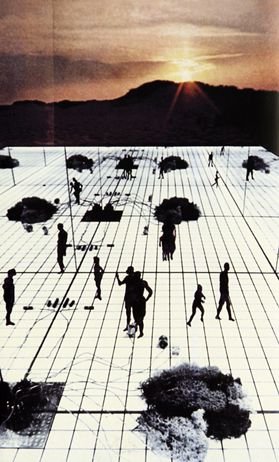 atlas / 01
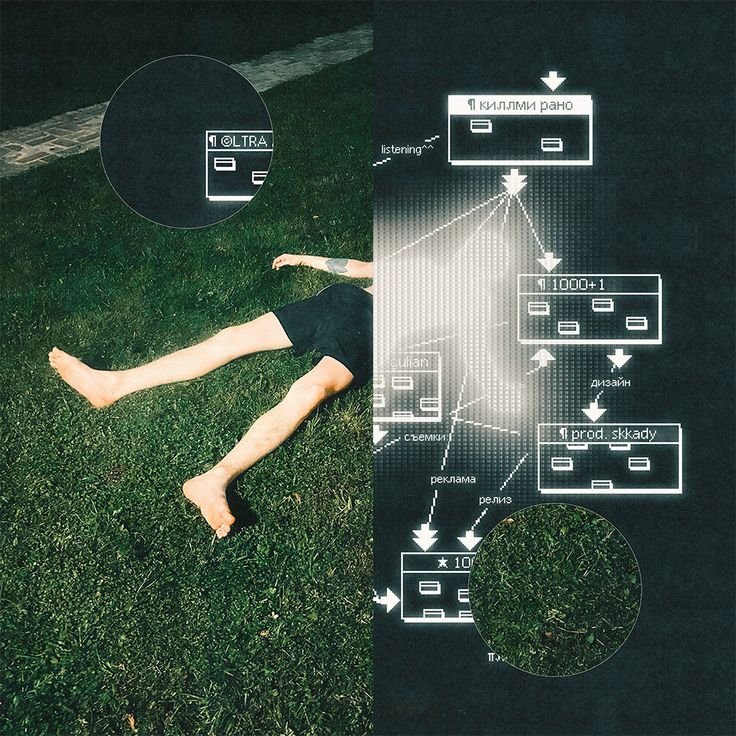 atlas / 02
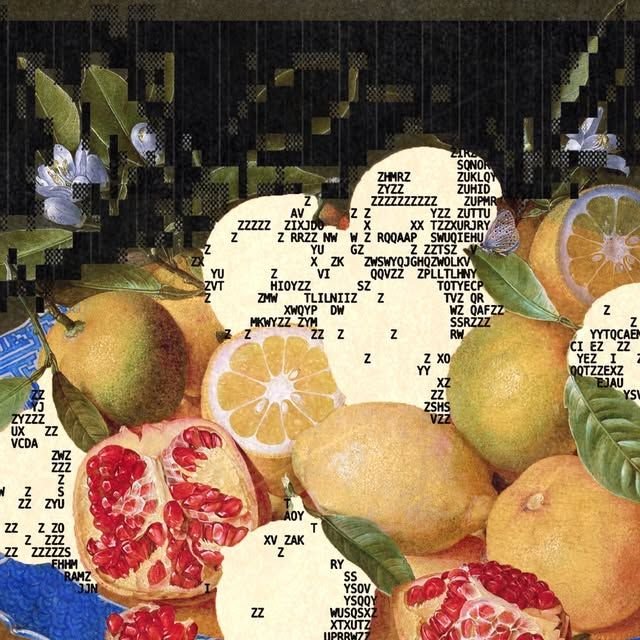 atlas / 03
// visual atlas — speculative fragments from the lab's research collection.
Writing